Sweet Melissa Encourages Sweet Dreams

Sweet melissa, also known as lemon balm, is known for calming nerves while lifting the spirit. It has the rare quality of helping with sleep without being over-sedating.
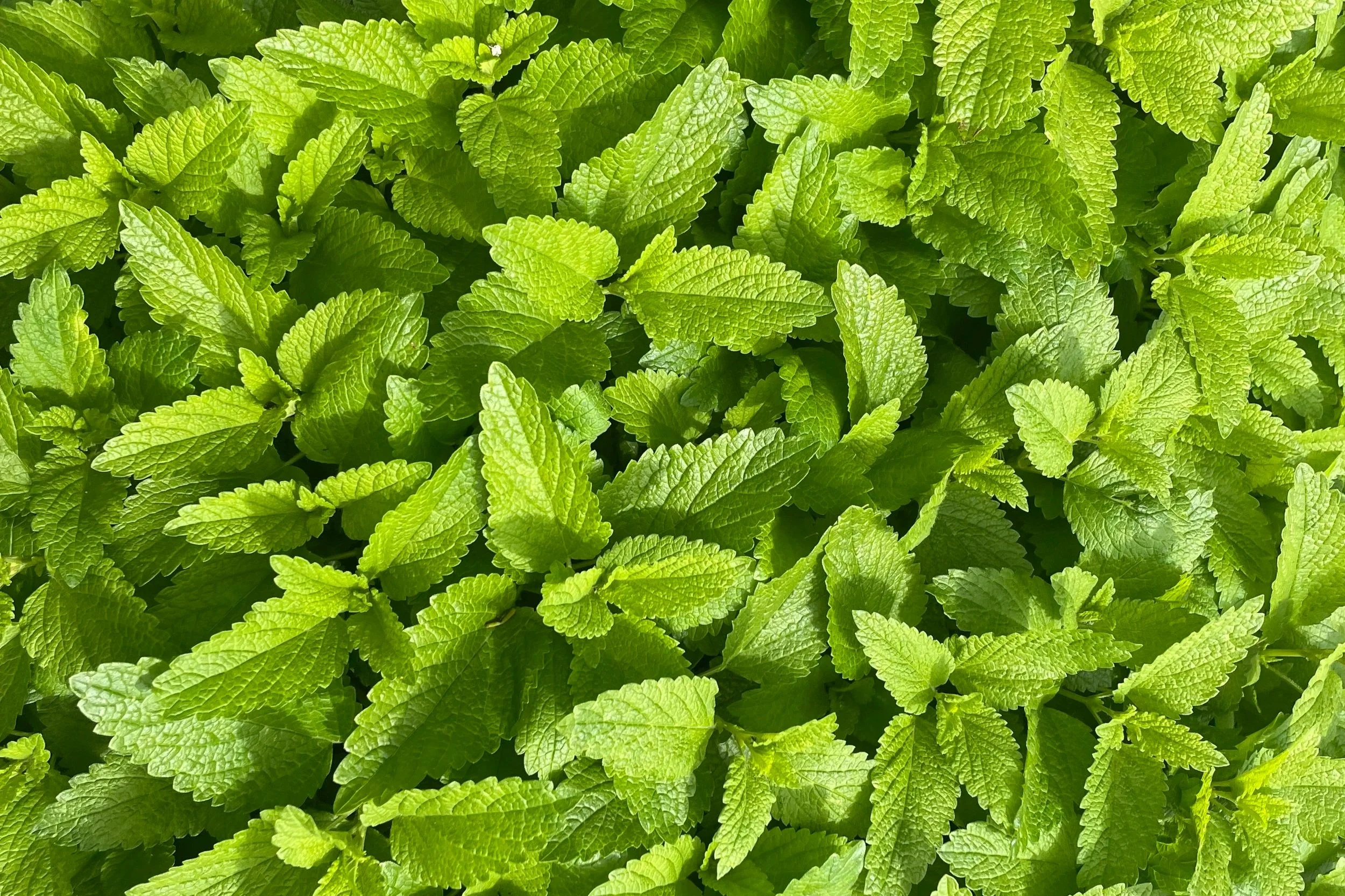
In addition to its nervine qualities, sweet melissa quiets inflammation, lowers blood sugar, and stimulates digestion. As a tea, it’s perfect to start the morning or as an after-dinner refreshment.

I use sweet melissa in my Sleepy Tea alongside valerian to promote restfulness and to enhance the flavor.
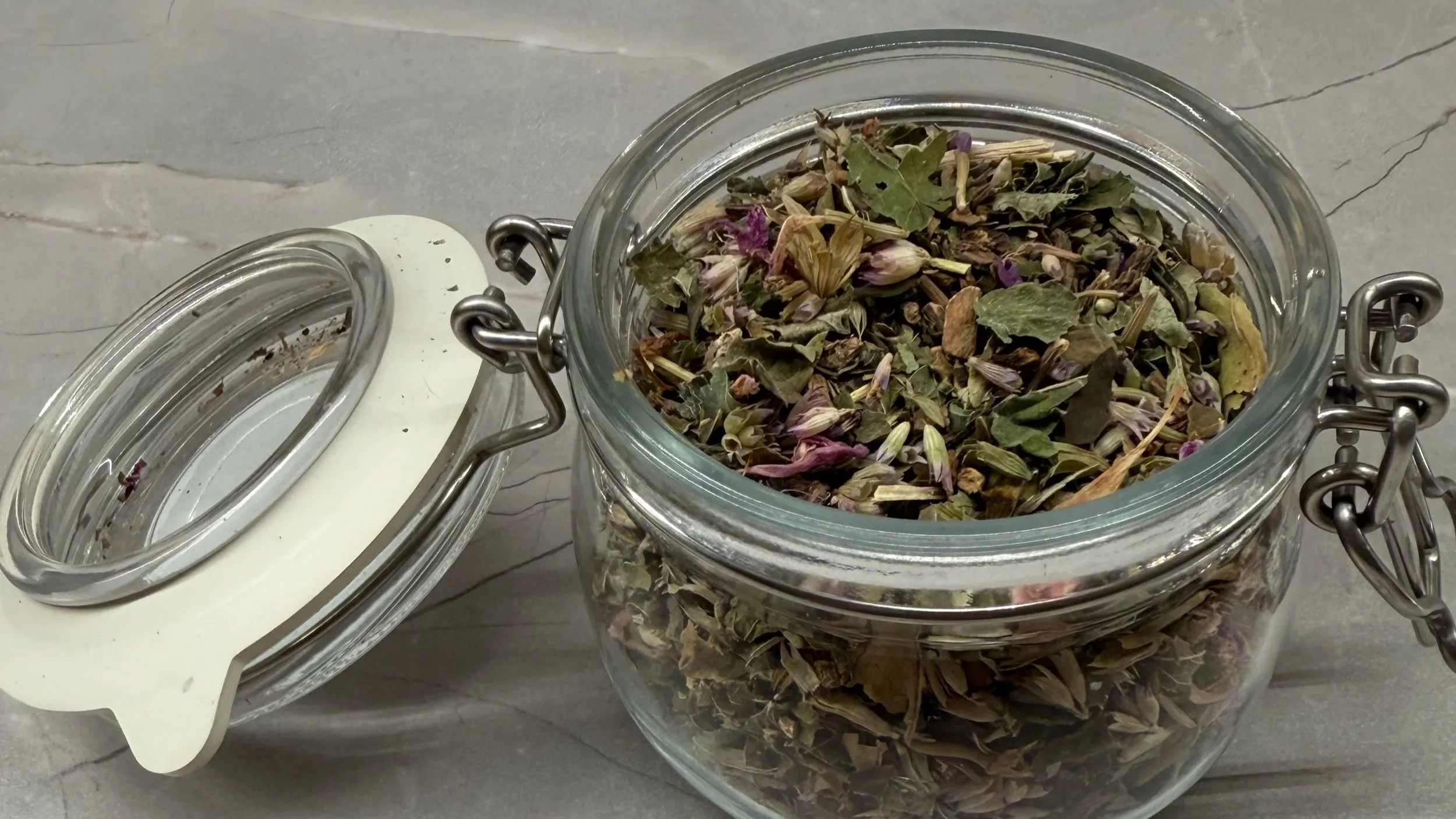
Topically, sweet melissa can be infused into an oil where it’s anti-inflammatory properties help relieve itching and resolve cold sores. For an itchy scalp, simmer sweet melissa into water, then massage into your scalp after it cools. It will keep in the refrigerator for several days. Add witch hazel or essential oils to keep it for a month or two.
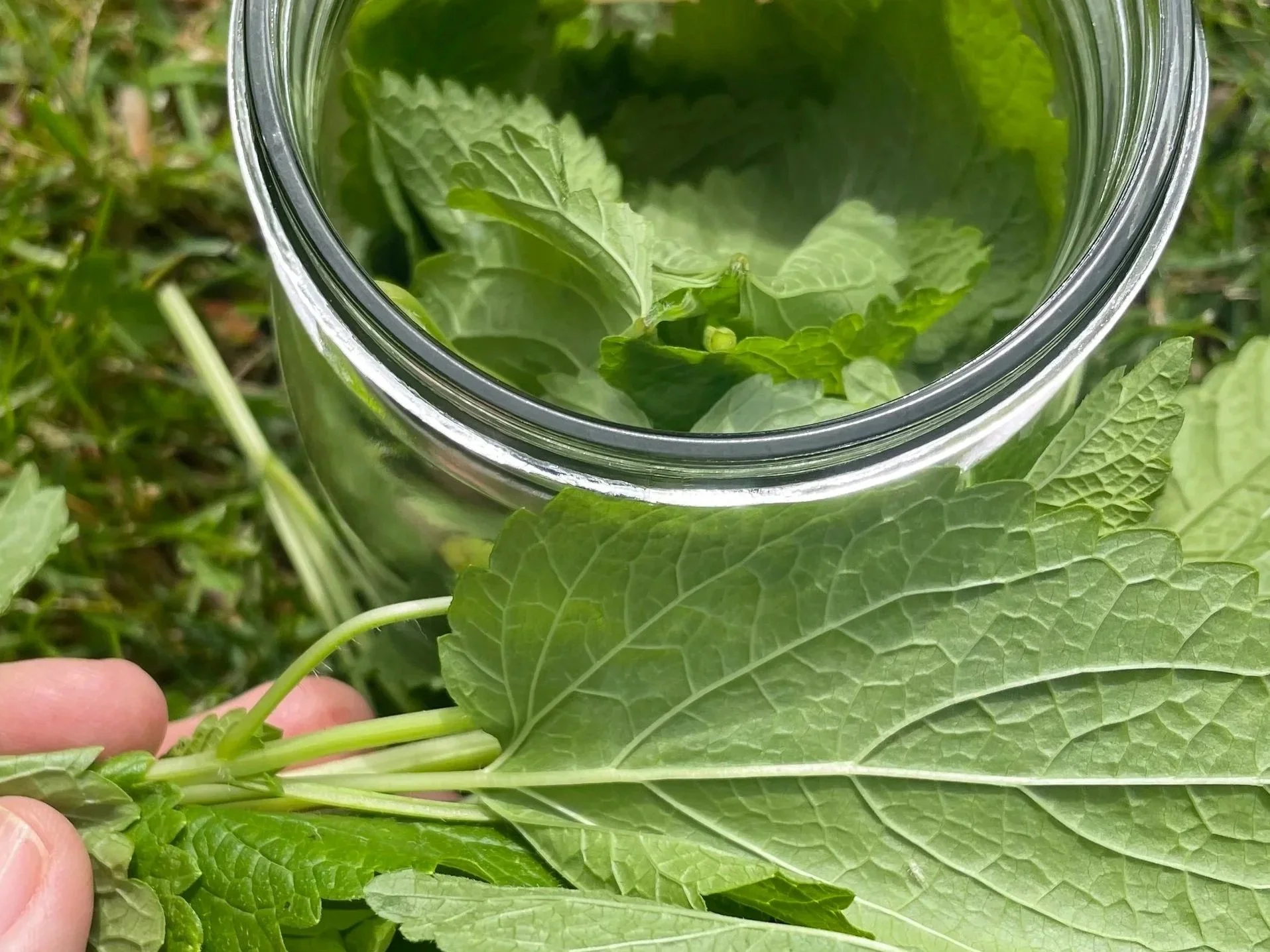
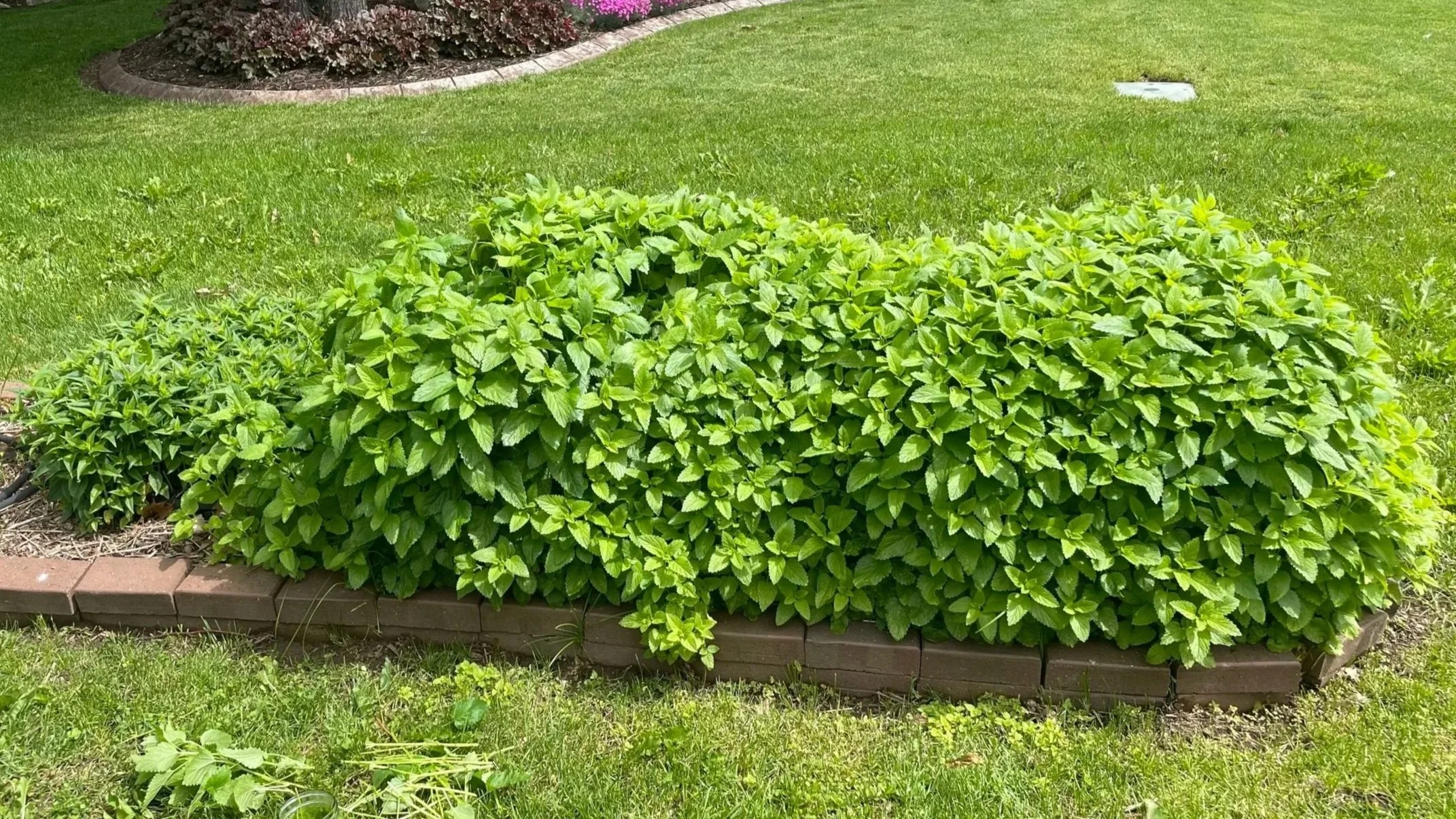
Sweet melissa is a member of the mint family, so it can take over your garden if not contained. It is a perennial that likes full sun. To harvest, wait until flowers start to bloom, then cut stems just above a pair of leaves. Cut to within 6-8 inches of the soil, but do not remove more than two-thirds of growth. It can be used both dried or fresh.
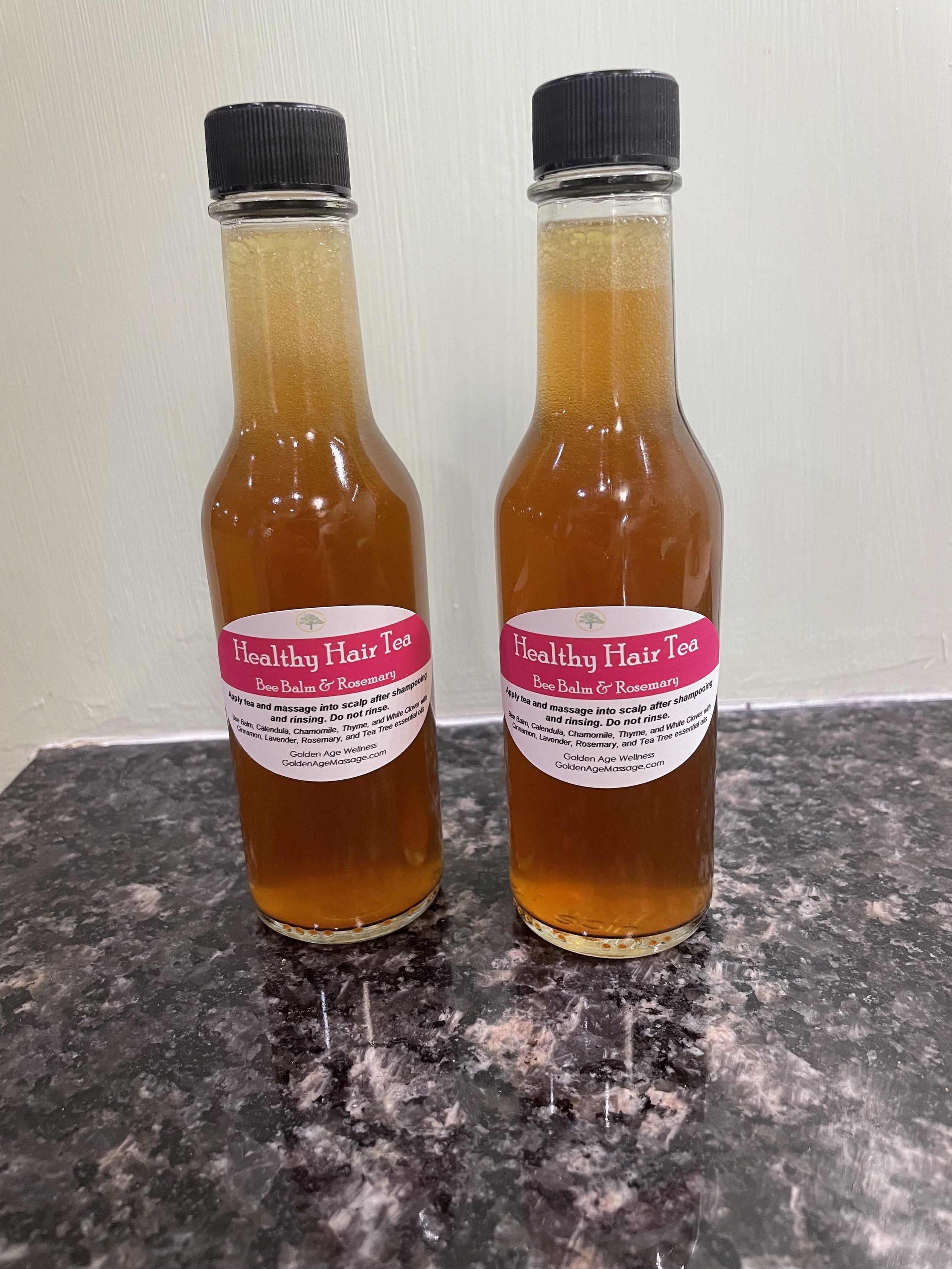
How to Make Healthy Hair Tea

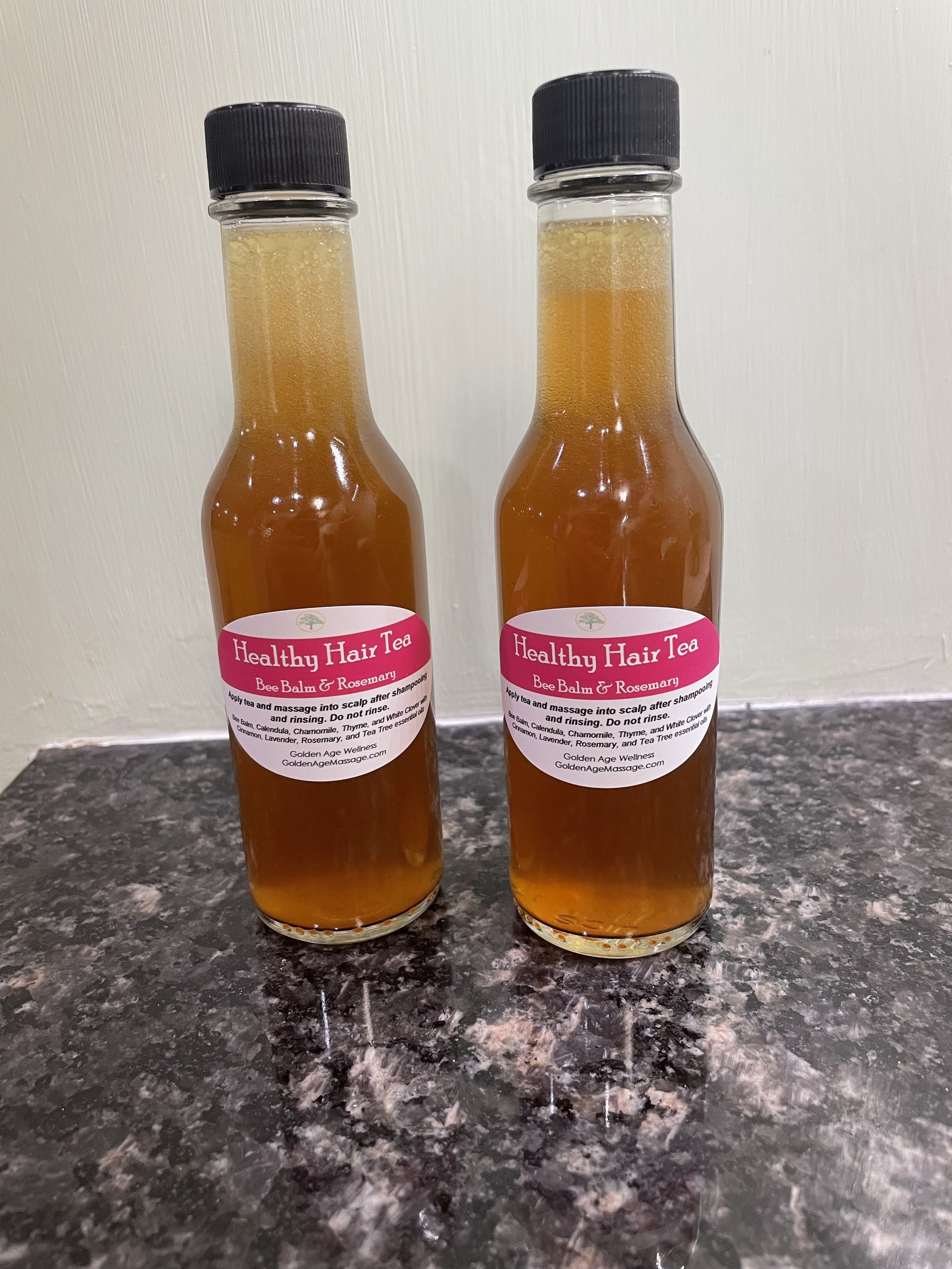
I discovered this “beauty potion” in one of Rosemary Gladstar’s books. It’s easy to make with a variety of herbs that are readily found.

Healthy hair begins with healthy hair follicles. This herbal rinse involves steeping nutrient-rich herbs into a tea, then adding essential oils that prevent dandruff, reduce itchiness, and promote growth.

Step One: Gather Herbs

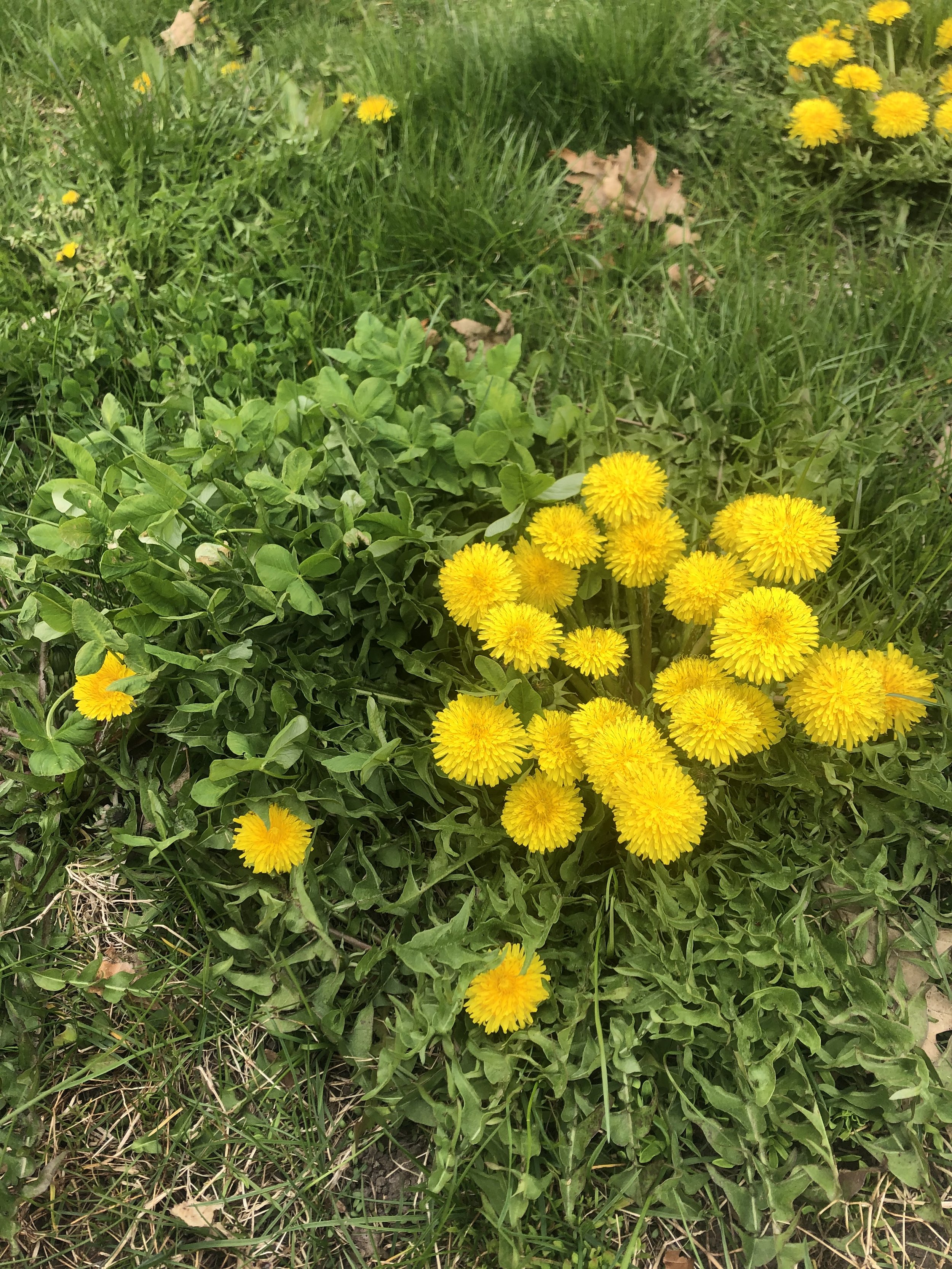
Scalp-loving herbs include bee balm, lavender, calendula, lemon balm, roman chamomile, thyme, and yarrow to name a few, but unless you grow these herbs, this tea might be difficult to make. Fortunately, there are several plants that are easily found growing in your yard or nearby parks that no one will mind if you pick: dandelion, white clover, plantain, and heal-all.

Step Two: Make Herbal Tea

Measure the freshly-picked herbs into a pot using a cup measure. If you are not able to make the tea right after you pick the plants, dry them in a hot, dry location out of the sun—garage, attic, or a paper bag put on the dashboard of a closed car. Add one quart (4 cups) of water for every two cups of herbs. Bring the water to simmering temperature—bubbles will just begin to form on the bottom and side of the pot. Do not boil. Turn down the temperature and simmer for 20 minutes. Turn off the heat and let the herbs steep an additional 20 minutes.

Step Three: Strain the Tea

Strain the herbs out of the tea using a colander set in a bowl large enough to hold the amount of water you used. Remove the colander. If there are large bits of herb still in your tea, you can strain again by putting a coffee filter or paper towel into the colander, placing it into another bowl, then straining again. Let the tea cool.

Step Four: Add Essential Oils

After the tea cools, you can add essential oils in a 3% dilution (18 drops per ounce). If for a child or an elderly person, use a 1% dilution (6 drops per ounce). You do not have to add essential oils, but they add extra oomph to the tea by reducing dandruff (Tea Tree), soothing itching (Lavender and Tea Tree), and promoting growth (Rosemary and Cinnamon). There are other essential oils that address these same concerns, but this is my favorite blend in terms of aroma and safety.

Step Five: Bottle Your Tea

Find a bottle that you can use in the shower. If you have made several quarts, store the extra tea in a large container and refill your shower bottle when it runs low. You may want to hold off on adding the essential oils until you refill your shower bottle so that you don’t have to use such a large amount. Place a funnel over the bottle opening and ladle or use a measuring cup to pour the tea into the bottle. Stir up the mixture right before you bottle it—the essential oils separate from the tea.

Step Six: Use Your Tea

1) Shake up your bottle right before you apply the tea—the essential oils will rise to the top and you want an evenly-mixed application.

2) After shampooing, conditioning, and rinsing, apply about a tablespoon of the tea to your scalp.

3) Massage into scalp and leave in—do not rinse.