The Art of Hibernation

Many of us in the North dread the winter months—gray days, bundling up to go outside, and stuck inside the house during extreme cold.  It’s easy to fall into survival mode and determine to just “get through it”, but that doesn’t help our emotional state and keeps us from growing and understanding ourselves.

Winter is an invitation for us to go inside and nurture our interior selves.  We all need quiet and introspection to lead a healthy emotional life.  Winter says, “Stay quiet and recharge.”

Here are some ideas for embracing the concept of winter and nurturing our inner-most selves:

Gratitude Check-in

A gratitude check-in can instantly reduce anxiety and improve mood:

  • Sit comfortably and close your eyes

  • As you inhale, name something for which you’re thankful

  • Hold that thought for a moment

  • Exhale as you say thank you

  • Repeat three times

Five-minute Reset

When you are feeling discouraged by cold, gray days or overwhelmed by stress, a five-minute reset can calm stress and re-center your focus:

  • Sit comfortably and close your eyes

  • Inhale deeply for four counts

  • Hold for four counts

  • Exhale for six

  • Repeat five times

Walking Meditation

Except for the last two weeks of January, most days you can get outside to take a walk in the winter, even if it is a short walk around the outside of your house.

It is important to get outside every day to commune with nature, even if only for 15 minutes.  Nature has a rejuvenating quality that connects us to the Earth. 

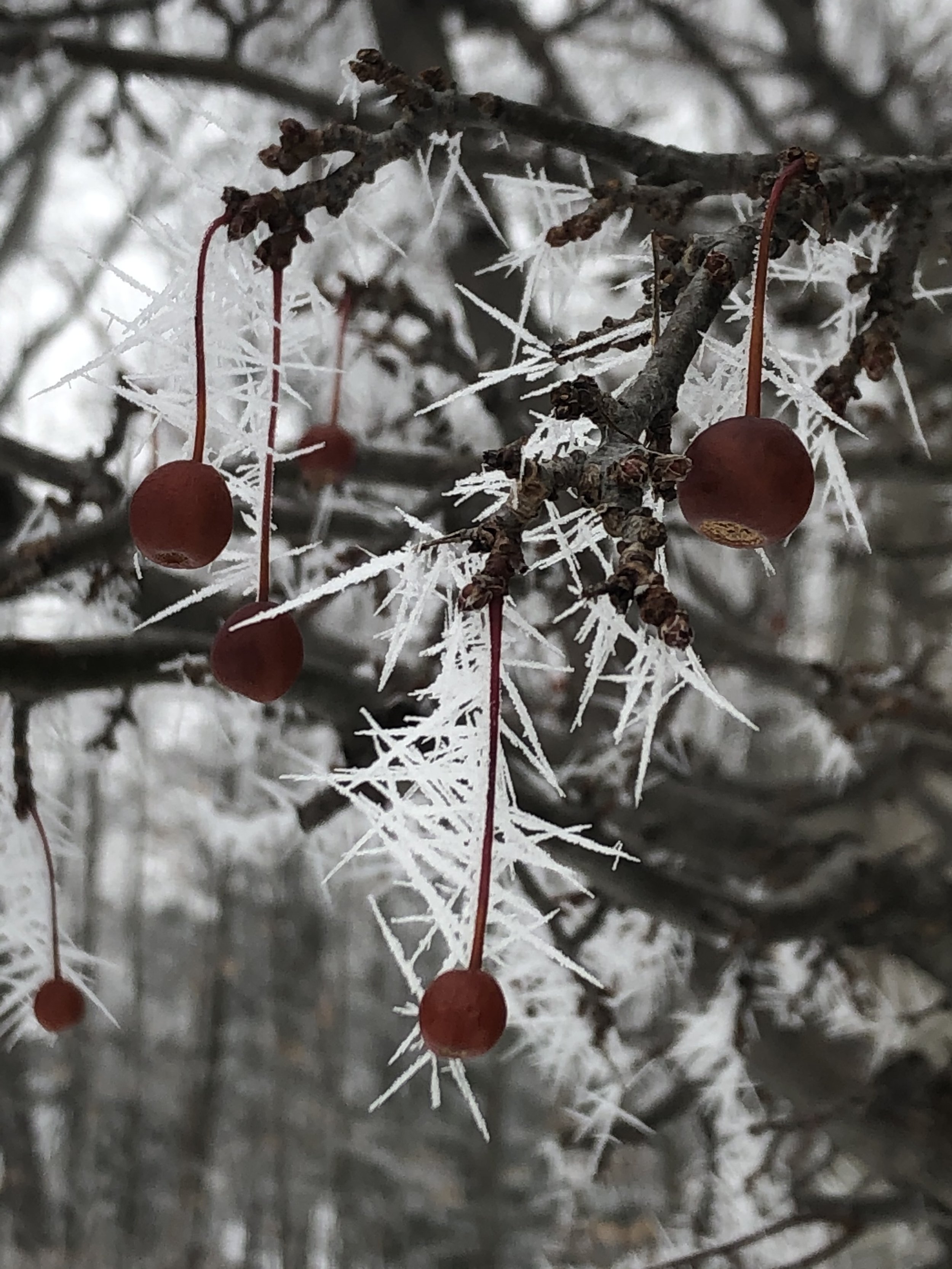
An outdoor walking meditation is about combining movement with mindfulness. It helps you to slow your pace and release mental clutter. Just let your mind wander where it will, noticing the things around you—the shade of the red bricks of your house, the pattern of the bark on a tree, etc.

 Tea Ritual

Preparing a warm drink (it doesn’t have to be tea) becomes a mindful moment of comfort, signaling your nervous system to relax.  It is a good way to both begin and end a cold winter day.

The warm beverage helps to relax muscles and warm you up while the preparation becomes a ritual which tells you that you are important and puts you in a state of anticipation for the warmth and comfort you’re going to experience.

 Reflection

Reflecting on your inner life helps you to slow down and clarify your thoughts.  This can be a quiet moment of reflection in your head, or you can write down your thoughts.  Your reflections can be insights or observations that have come to you during the day, moments of gratitude, or intentions for tomorrow.

 Gentle stretching

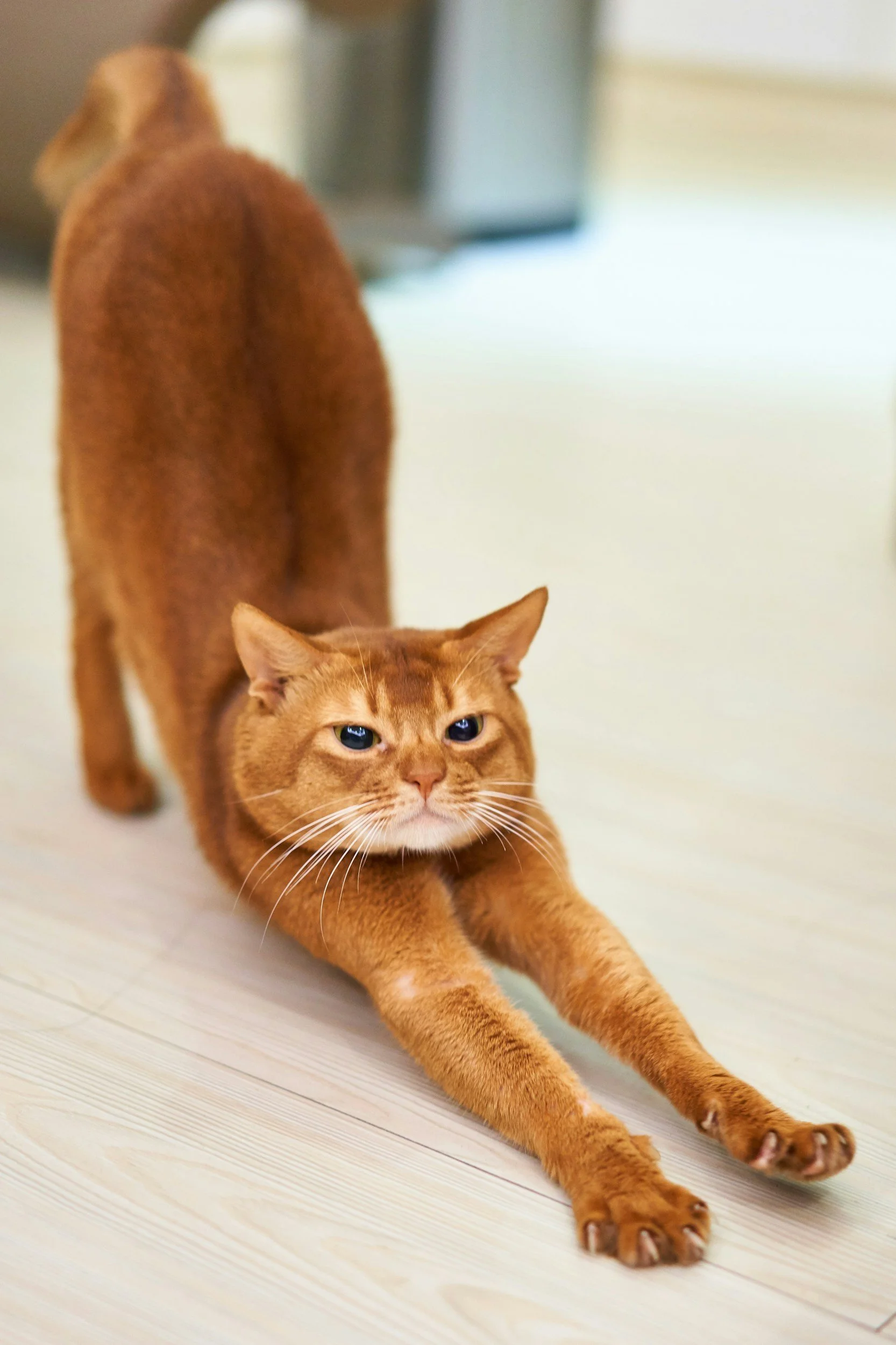
Stretching helps us be mindful of what we are feeling in our bodies while releasing tension.  Keeping the stretch within our capabilities and holding the pose brings a deep sense of relaxation.

Stretches can be done in a chair as well as on the floor on a mat or blanket.  Focus on poses that increase flexibility for the purpose of releasing tension, rather than on exercises for strength or balance.

Getting a Good Night's Sleep with Valerian

I meet many people in my booth who are struggling with sleep, especially as we approach the winter months.  Getting to sleep and staying asleep is all about how we deal with stress in our waking lives, but there are herbal solutions that can help without becoming addictive.

Valerian (Valeriana officinalis) is the go-to herb for sleep.  It contains gamma-aminobutyric acid (GABA), one of the main neurotransmitters responsible for sleep regulation, as well as valerenic acid and valerenol which act on GABA receptors in the body.  All of that means that valerian improves the quality of sleep as well as the ability to fall asleep.

 I make Peaceful Slumbers, an oil infused with valerian root, for topical use at bedtime. It helps relax the muscles and calm the nerves in a gentle way. I make it as a roll-on because the root of the plant has a skunky odor which you don’t want to get on your hands.

 Many of my customers report good results with Peaceful Slumbers, but there are those who need a little more help getting or staying asleep. In these cases, a valerian tea, tincture, or capsule is the way to go.   The tea usually combines valerian with other herbs to make it more palatable.  A tincture can be made at home or found in an herbal shop while capsules are usually found at a vitamin store.  Valerian is not addictive, so can be used indefinitely.

 Valerian is not for everyone.  It can have the opposite effect in about five percent of the population, causing agitation rather than relaxation. It can also interact with anti-anxiety or pain medications. Alternatives include passionflower, skullcap, and California poppy.

 If you’re looking for non-drug solutions for sleep, you can look to herbs to help in soothing the nervous system, flipping the switch so that you can feel less stress and get a good night’s rest.