Two Perfect Herbs for Calming Coughs

As we enter cold and flu season, my thoughts turn to respiratory herbs that can relieve coughs and congestion. Two tasty herbs that are uniquely suited to treating coughs are bee balm and peppermint.
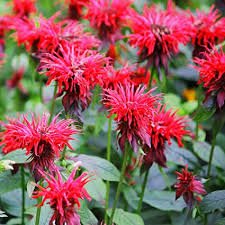
Bee balm (Monarda didyma) is also known as wild bergamot for its citrus-like flavor. Its reputation as the most powerful antimicrobial in the garden means that it can fight external as well as internal infections.
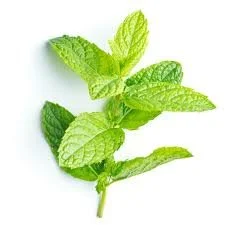
Peppermint (Mentha piperita) is rich in menthol compounds that help clear airways to help you breathe freely. Both herbs are cough expectorants and antispasmodics that can clear mucus from airways while relaxing air passages.
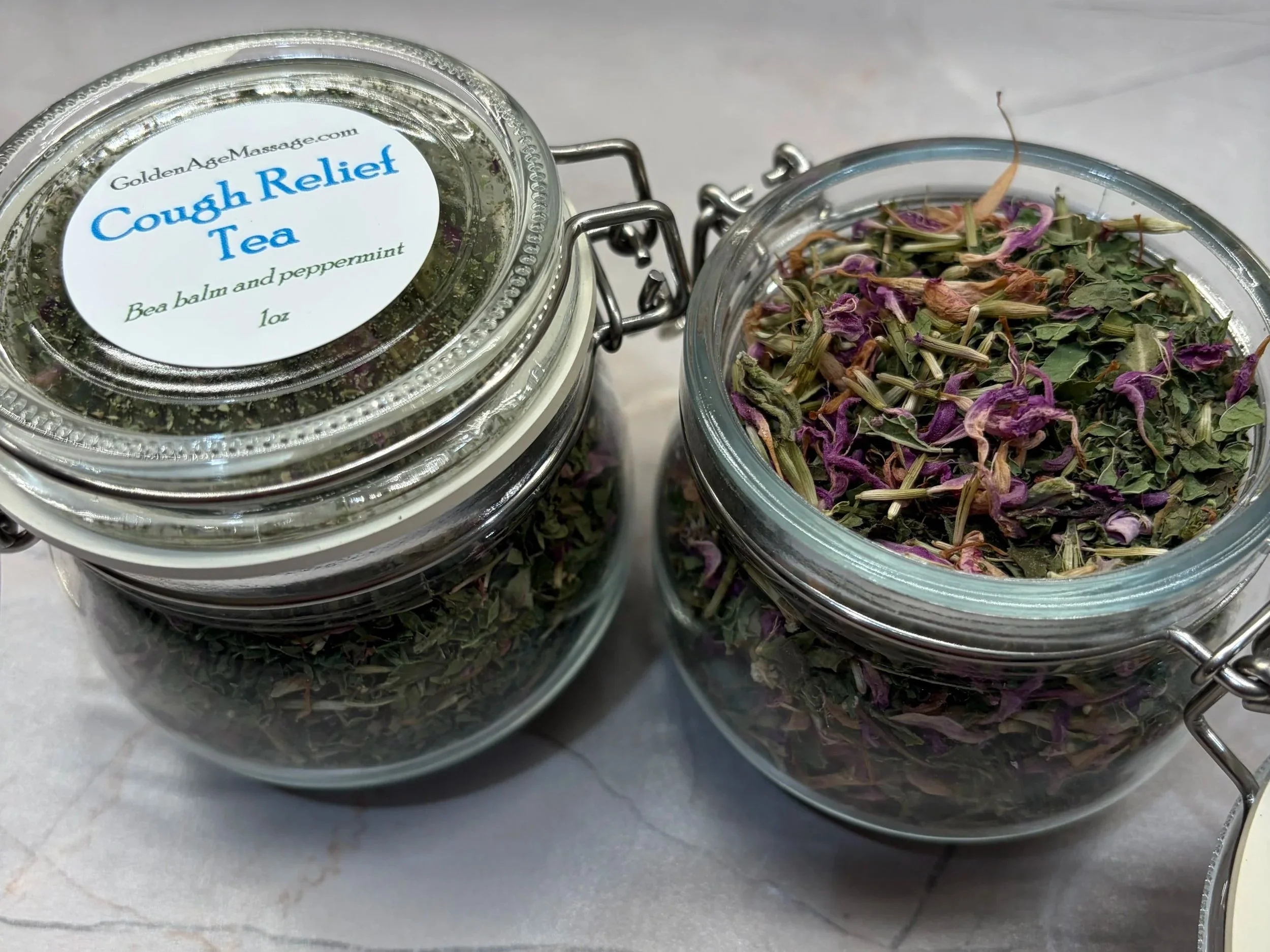
Combining the two herbs into a looseleaf tea helps relieve your cough in a tasty way. The longer the tea steeps, the more healing properties are infused into the tea. A super decoction is infused for four hours or longer. Enjoy hot or iced!
Sweet Melissa Encourages Sweet Dreams

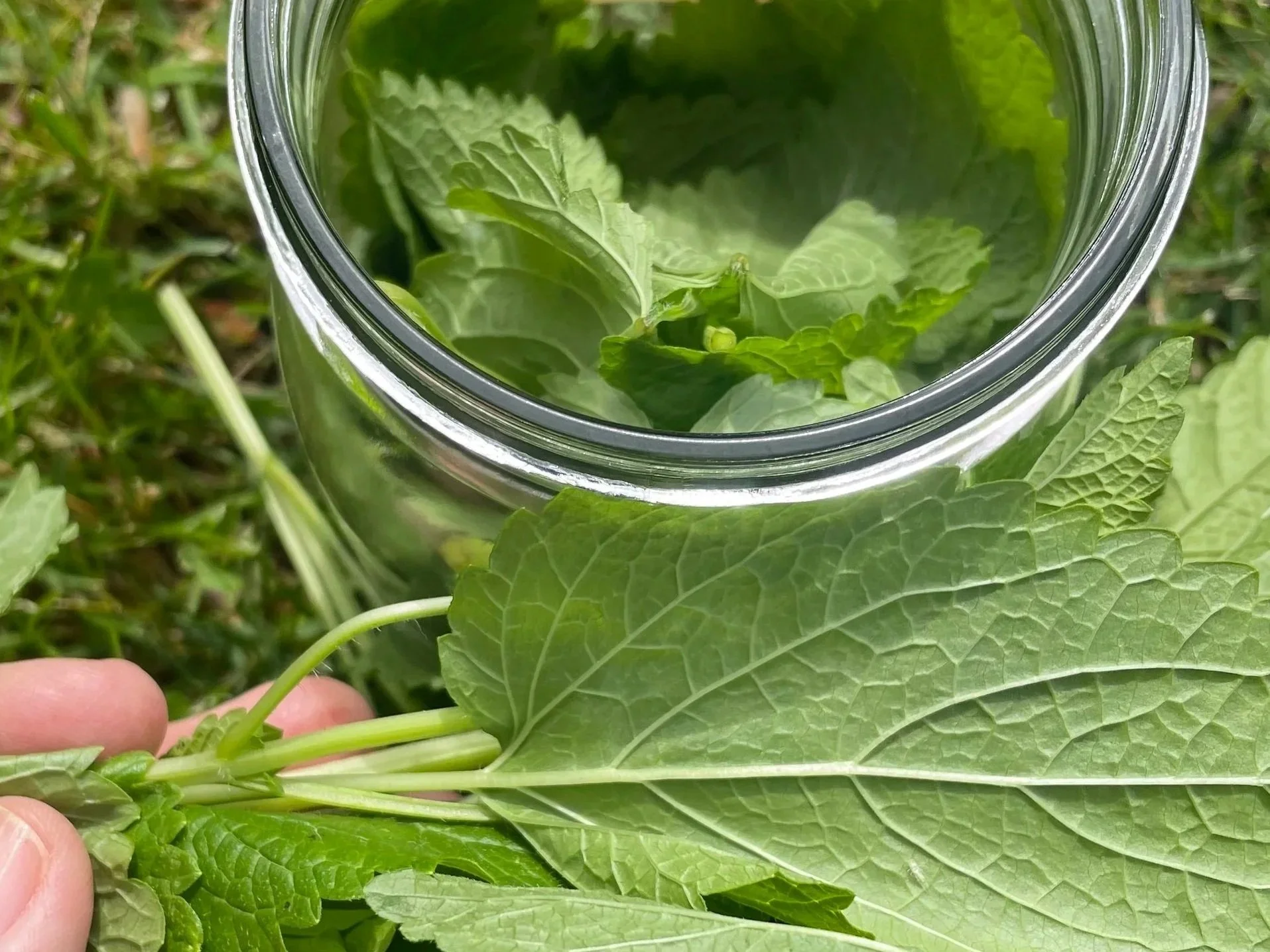
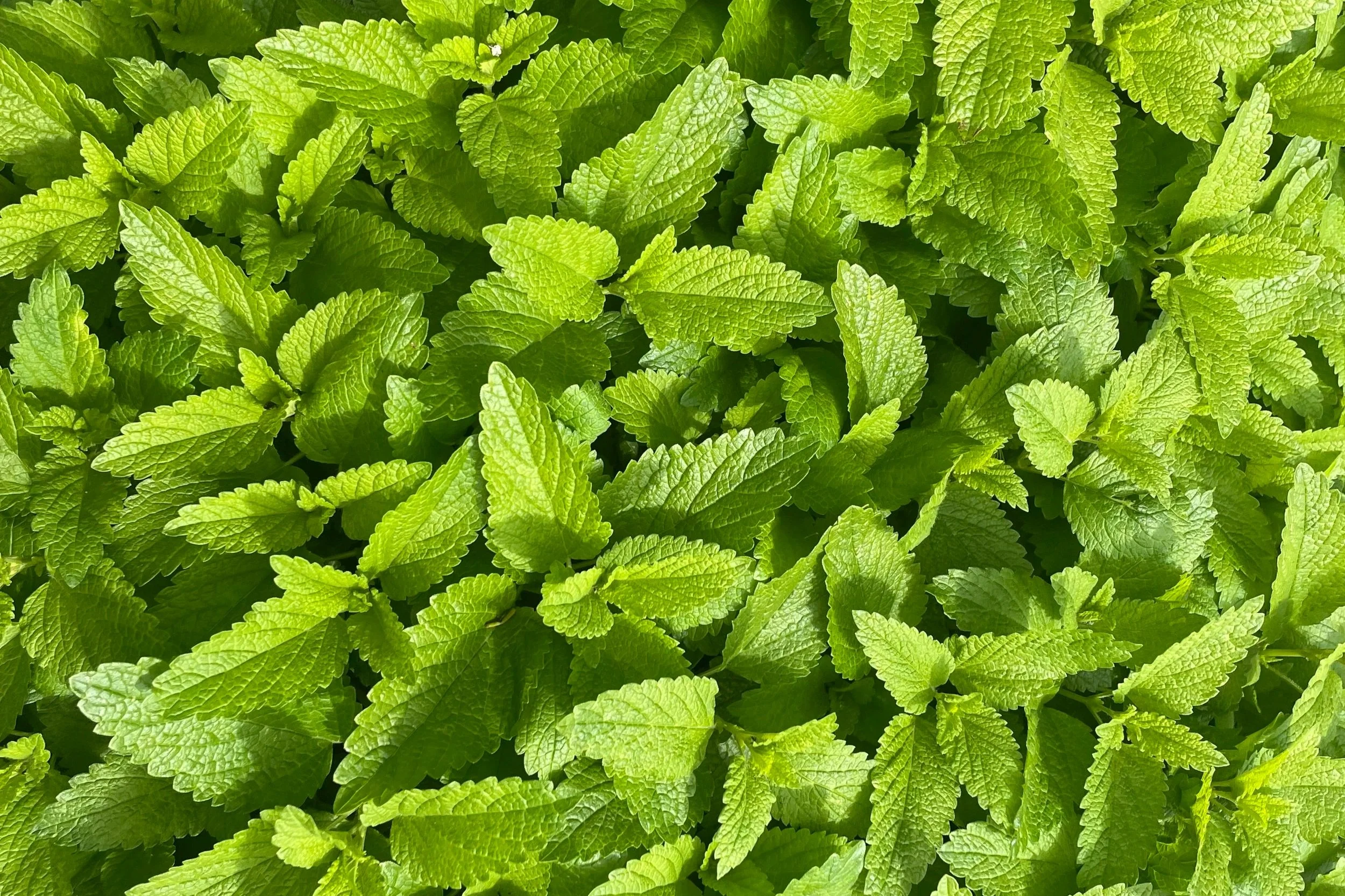
Sweet melissa, also known as lemon balm, is known for calming nerves while lifting the spirit. It has the rare quality of helping with sleep without being over-sedating.

In addition to its nervine qualities, sweet melissa quiets inflammation, lowers blood sugar, and stimulates digestion. As a tea, it’s perfect to start the morning or as an after-dinner refreshment.

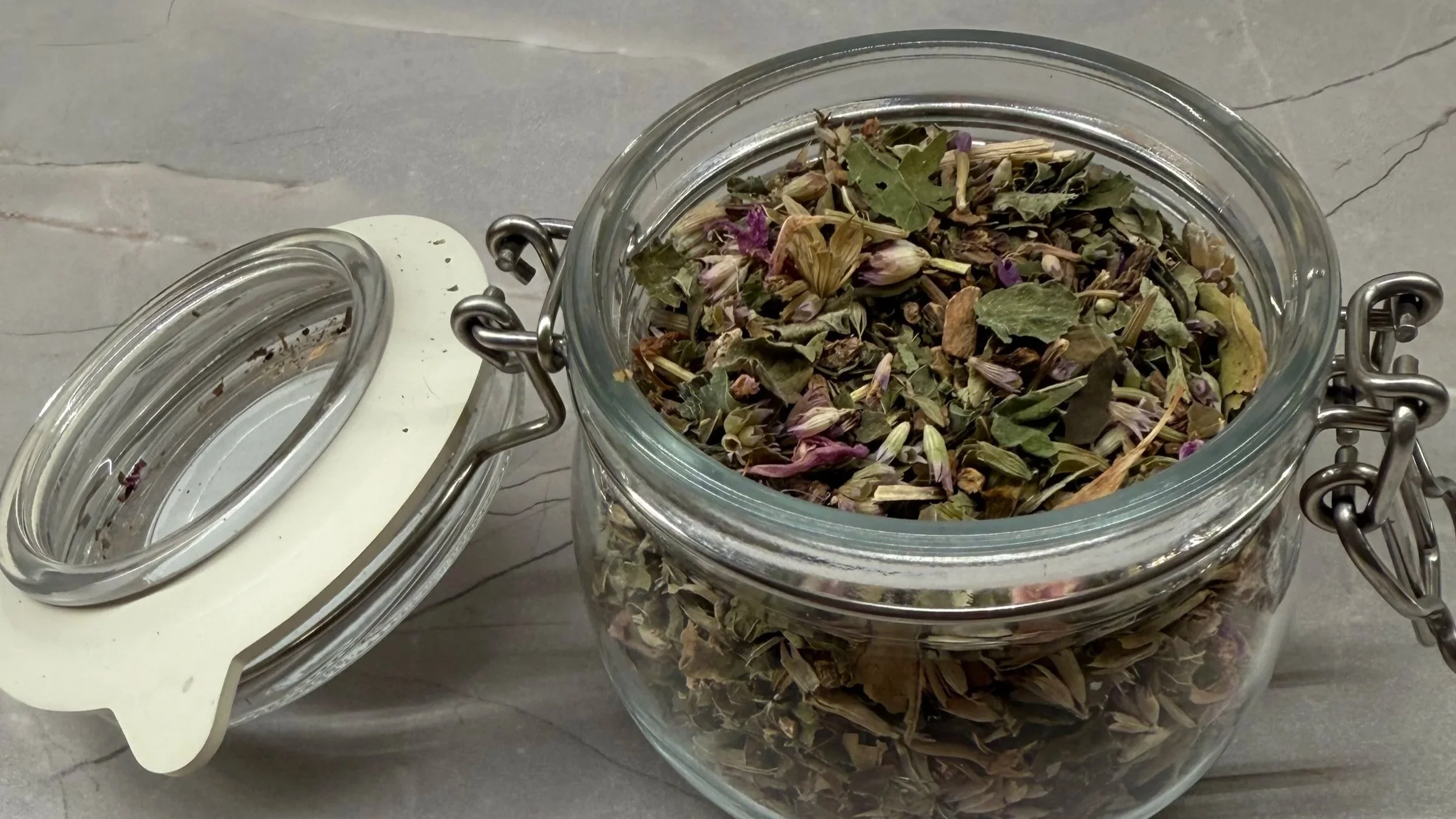
I use sweet melissa in my Sleepy Tea alongside valerian to promote restfulness and to enhance the flavor.

Topically, sweet melissa can be infused into an oil where it’s anti-inflammatory properties help relieve itching and resolve cold sores. For an itchy scalp, simmer sweet melissa into water, then massage into your scalp after it cools. It will keep in the refrigerator for several days. Add witch hazel or essential oils to keep it for a month or two.

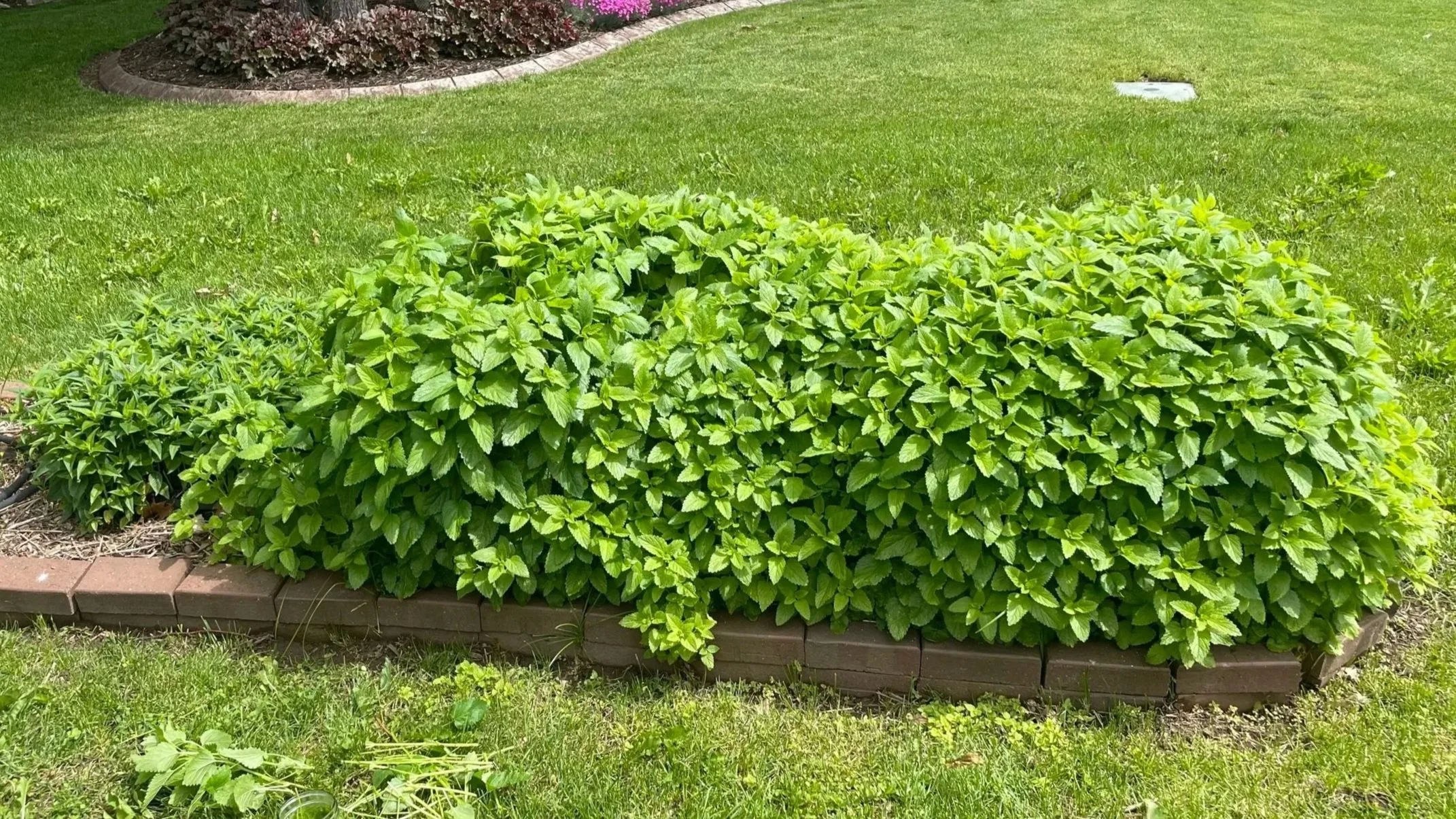
Sweet melissa is a member of the mint family, so it can take over your garden if not contained. It is a perennial that likes full sun. To harvest, wait until flowers start to bloom, then cut stems just above a pair of leaves. Cut to within 6-8 inches of the soil, but do not remove more than two-thirds of growth. It can be used both dried or fresh.