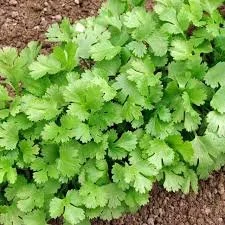
Unsung gems: Cilantro and Coriander

Cilantro is one of the first plants up in Spring and appropriate as the subject for our May article. They flower quickly, so you need to harvest the leaves as soon as they appear and enjoy their fresh flavor in foods right away.

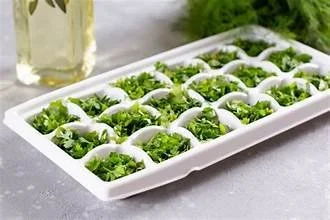
Dried cilantro leaves are not as tasty, so to preserve that fresh taste, freeze them in ice cubes. Then, in the dead of winter, melt a cilantro ice cube into your favorite dish.
For those who don’t like the taste of cilantro, the seeds have a warm, subtle flavor. Known as coriander, the cilantro seed also has a greater nutritional impact and is used dried, so is easier to use in home remedies.
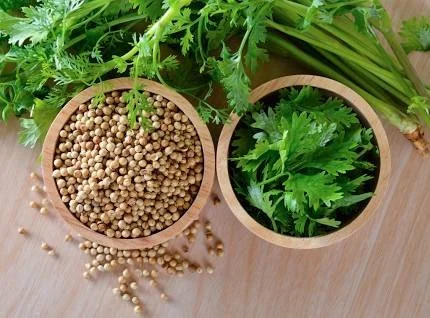
Stop cutting the flowers when you are done harvesting the leaves and let the plant go to seed. When the seeds appear, harvest by drawing your hand along the stem. Most of the seeds will be in your hand and others will fall to the ground, which will provide next year’s plants. After they go to seed, the plants are done, so pull them out and cover with mulch.

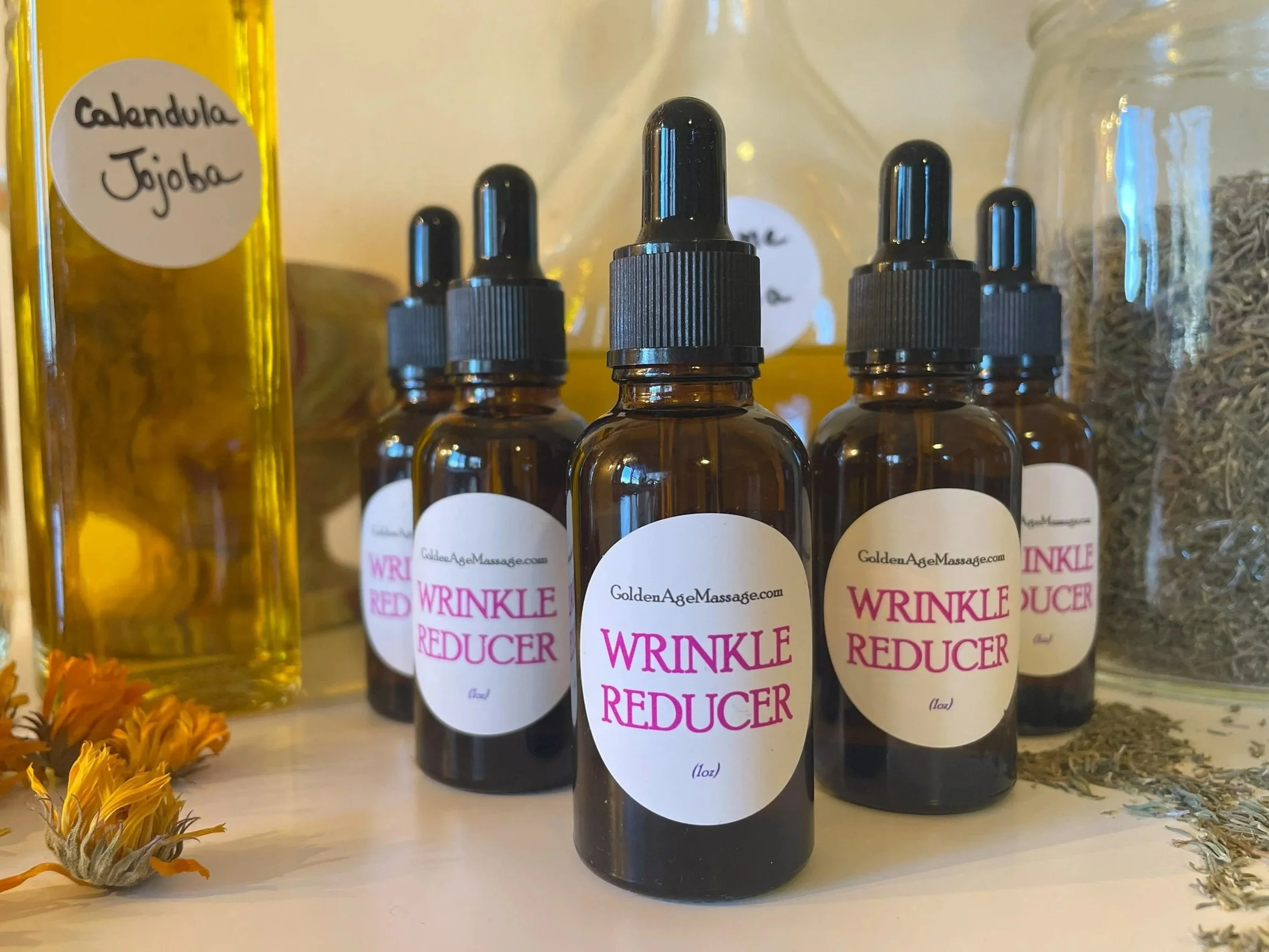
Topically, coriander helps boost collagen production with its high levels of vitamins A and C. I infuse coriander into jojoba oil and add it to my wrinkle reducer oil.
Coriander also has vitamin K, folate, potassium, and maanese which contribute to its anti-inflammatory and antioxident properties. Include it as part of a daily tincture* for system-wide benefits.

*See earlier articles on infusing oils and tinctures.

Aloe Vera: A Must-have Herb for Skin and Hair Care

One of the most beneficial plants for skin and hair health is aloe vera. Easy to make your own and inexpensive to buy, aloe vera gel should be a key component in every skin and hair care routine.

Aloe Vera plant

Benefits of Aloe Vera

The plentiful benefits for skin and hair arise from aloe vera’s many nutrients and therapeutic properties:

  • Smooths fine lines by stimulating collagen production—vitamins A and C

  • Softens skin by preventing moisture loss—vitamins B12 and E

  • Promotes healthy skin cell growth and recovery—vitamin B12

  • Improves the elasticity of skin—antioxidant properties

  • Unplugs blocked skin pores—salicylic acid

  • Reduces dandruff—selenium

  • Eases an itchy, flaky scalp—anti-inflammatory properties

It is easy to make your own aloe vera gel if you have a plant and I give directions to do that below. One of the limitations of a home-made gel is the short shelf life. Once the gel is exposed to air, the oxidation process starts and nutrients start to lose potency. It lasts only about a week in the refrigerator and up to two months if you add a preservative. It’s a lot of work to go to for a daily routine, so if you’re not into that, purchasing a high-quality gel is the best option.

Use caution when selecting a commercially-produced aloe vera gel, as the gel you find in most stores has a low percentage of aloe vera and has added alcohol to preserve it. Look for high quality aloe vera in health food or vitamin stores or online that is at least 90% aloe vera. The other 10% of the ingredients will be antioxidants that help preserve the gel and add to its benefit.

I add a touch of aloe vera gel to most of my skincare products, but the product that features it most prominently is Lavender Mousse, made with lavender-infused jojoba oil and aloe vera gel. Lavender is a classic skin herb that calms inflammation and stimulates collagen production, while jojoba is so close to our own skin’s sebum that it is readily absorbed and acts as a protectant and cleanser. In addition to being a lovely face cream, it can also be used for sunburn relief, as aloe’s anti-inflammatory properties helps to cool minor burns.

DIY Aloe Vera Gel

To make your own aloe vera gel, follow these steps:

  1. The plant should be a few years old before you harvest the leaves. Choose thick leaves from the outer sections of the plant and remove no more than four leaves at a time.

  2. Cut the leaves close to the stem. Most of the beneficial nutrients are at the base of the leaves.

  3. Wash the leaf, removing any dirt.

  4. Cut off the tip of the leaf and stand it tip-side-down in a cup or bowl for 10-15 minutes to drain the latex-containing resin which is irritating to skin.

  5. After draining, wash off any resin that remains on the outside of the leaf.

  6. Cut off both of the leaf’s serrated edges, then using a small knife or vegetable peeler, peel off the thick outer skin on one side of the leaf.

  7. Scoop the gel out of the leaf, being sure not to include any pieces of the skin.

  8. If you want a smooth gel, blend it until frothy and liquified. It will keep for up to a week in the fridge.

  9. To keep it for up to two months in the refrigerator, add a preservative—either powdered vitamin C or E. For every 1/4 cup of aloe vera gel, add 500 mg of powdered vitamin C or 400 iu of powdered vitamin E directly to the blender.


Sources:

Gladstar, Rosemary, Medicinal Herbs: A Beginners Guide, 2012

Healthline.com, “How to Make Aloe Vera Gel”, https://www.healthline.com/nutrition/how-to-make-aloe-vera-gel, 2019